VientianeHanoi
Direct service
An overnight sleeper between the two capitals, the main road link on this border.
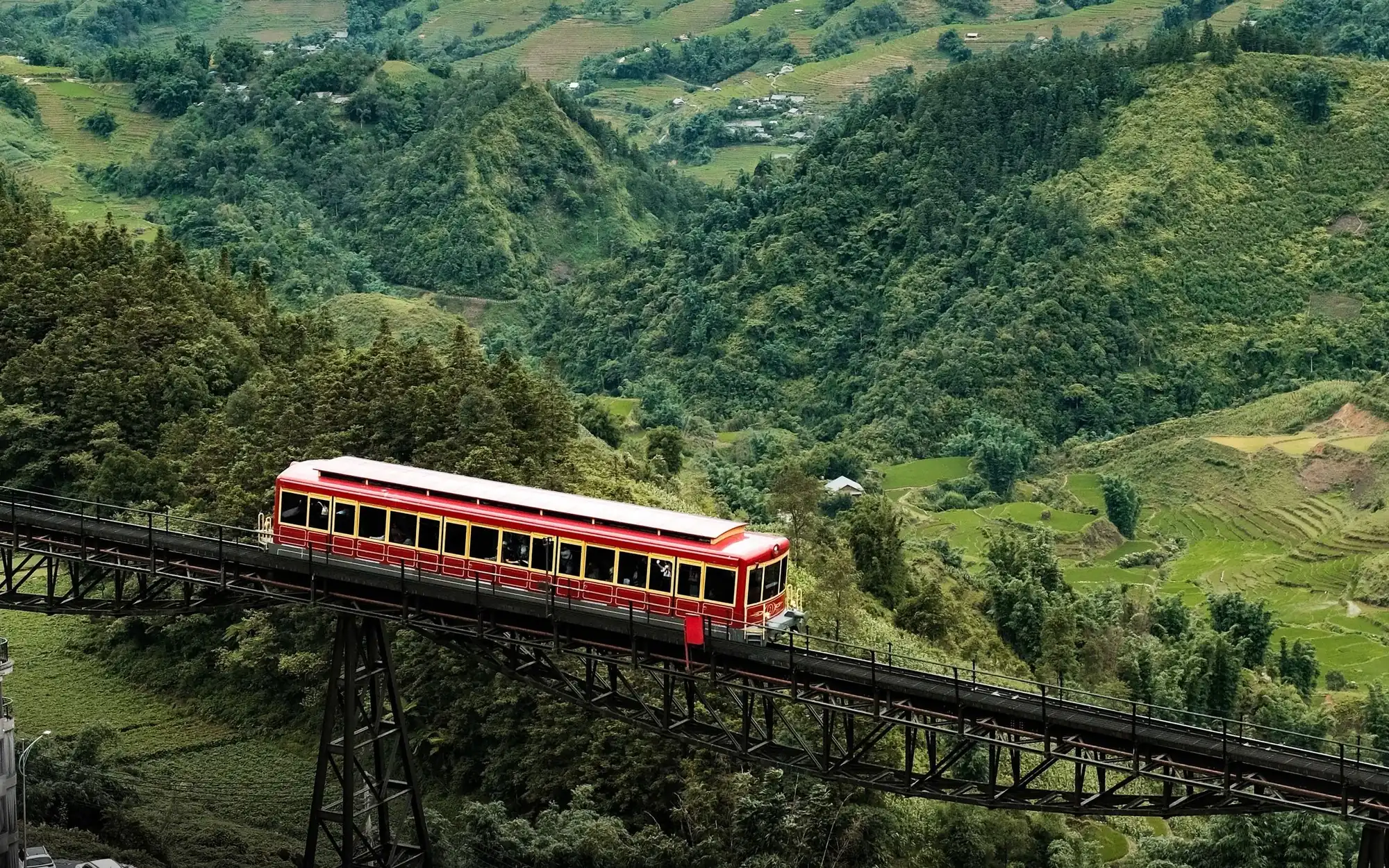
Laos → Vietnam · Verified 14 October 2026
Nine checkpoints link Laos and Vietnam, and Vietnam issues no visa on arrival at any of them. Unless your passport is visa-exempt, get the Vietnam e-visa online before you travel.
Search Laos to Vietnam routes
Check your passport first. 24 nationalities, most of Western Europe, Russia, Japan and South Korea among them, enter Vietnam visa-free for 45 days, overland too. Everyone else, including US, Canadian, Australian, New Zealand and Irish passport holders, needs an e-visa bought before arriving: no land border issues one on the day. Heading into Laos instead, only Lao Bảo issues a Lao visa on arrival.
| Crossing | Connects | Hours | Lao visa on arrival |
|---|---|---|---|
| Dansavanh – Lao Bảo Also written Lao Bao, Lao Bảo |
Savannakhet → Lao Bảo, Quảng Trị, Vietnam | 07:00–22:00 | Yes |
| Nam Phao – Cầu Treo Also written Cau Treo, Cầu Treo |
Bolikhamxay → Cầu Treo, Hà Tĩnh, Vietnam | 07:00–19:00 | No |
| Nam Kan – Nậm Cắn Also written Nam Can, Nậm Cắn |
Xiengkhouang → Nậm Cắn, Nghệ An, Vietnam | 07:00–19:00 | No |
| Nam Soy – Na Mèo Also written Na Meo, Na Mèo |
Houaphanh → Na Mèo, Thanh Hóa, Vietnam | 07:30–19:30 | No |
| Na Phao – Cha Lo Also written Cha Lo |
Khammouane → Cha Lo, Quảng Bình, Vietnam | 07:00–20:00 | No |
| La Lai – La Lay Also written La Lay, Lalay |
Salavan → La Lay, Quảng Trị, Vietnam | 07:00–19:00 | No |
| Dak Ta Ock – Nam Giang Also written Nam Giang, Dak Taok |
Sekong → Nam Giang, Đà Nẵng, Vietnam | 07:00–19:00 | No |
| Phou Keua – Bờ Y Also written Bo Y, Bờ Y |
Attapeu → Bờ Y, Kon Tum, Vietnam | 07:00–19:00 | No |
| Pang Hok – Tây Trang Also written Tay Trang, Tây Trang |
Phongsaly → Tây Trang, Điện Biên, Vietnam | 07:00–19:00 | No |
Which Lao province, which crossing, which Vietnamese province. Unlike the Thai bridges, buses drive straight through: there is no separate shuttle leg.
Dansavanh – Lao Bảo
Nam Phao – Cầu Treo
Nam Kan – Nậm Cắn
Nam Soy – Na Mèo
Na Phao – Cha Lo
La Lai – La Lay
Dak Ta Ock – Nam Giang
Phou Keua – Bờ Y
Pang Hok – Tây Trang
Two of these are missing from most English-language guides. They are open and issue visas like the rest, but carry very little scheduled passenger transport, so treat them as a fallback or a motorbike route rather than a bus plan:
Resolution 389/NQ-CP, 2 December 2025
If you read anywhere that your Vietnam e-visa locks you to one border post, that advice is out of date. It was true until December 2025 and a great many travel sites have not caught up. It is dated, with every other confirmed change on this border, in the transport updates log.
Note the asymmetry this creates, because it catches people going the other way. Getting into Vietnam is now the easy direction: an e-visa valid at any gate, or nothing at all if you hold one of the 24 exempt passports. Getting into Laos is the hard direction, and at eight of these nine gates it cannot be done on the day.
Settled: only Lao Bảo issues Lao visa on arrival
The official Lao register briefly marked visa on arrival as available at all nine checkpoints, disputed by Travelfish and other long-standing traveller sources who said only Dansavanh (Lao Bảo) reliably issued it. Checked directly against the register on 9 September 2026, the other eight now show neither visa on arrival nor eVisa, matching what travellers had reported all along. The safe plan: enter Laos at Lao Bảo, or arrange your Lao visa before you travel. Do not rely on a Lao eVisa overland from Vietnam, it is not accepted at any of the nine.
Nine crossings, the same nine in both directions. The visa rules are not symmetrical at all, and getting this backwards strands people at the gate.
Check the exemption list before you buy anything. 24 nationalities enter visa-free for 45 days, valid at land borders: the UK, France, Germany, Italy, Spain, Russia, Japan, South Korea, Denmark, Sweden, Norway and Finland for any purpose until 14 March 2028 (Resolution 44/NQ-CP), and Belgium, Bulgaria, Croatia, the Czech Republic, Hungary, Luxembourg, the Netherlands, Poland, Romania, Slovakia, Slovenia and Switzerland for tourism until 14 August 2028 (Resolution 229/NQ-CP).
If you are not exempt, and US, Canadian, Australian, New Zealand and Irish passport holders are not, then Vietnam issues no visa on arrival at any land border and you must arrange the e-visa online before you travel: US$25 single entry, US$50 multiple, up to 90 days. The Vietnam e-visa guide walks through the application.
All nine Laos-border gates accept it, and it is no longer tied to a nominated checkpoint: see the rule that changed.
Only Dansavanh (Lao Bảo) issues Lao visa on arrival, about US$40 for most nationalities, in US dollars in cash, plus one passport photo and US$1 outside office hours.
Crossing anywhere else, arrange your Lao visa before you travel: the other eight issue neither visa on arrival nor eVisa, and the Lao eVisa is not accepted at any of the nine. The Laos visa guide compares every border.
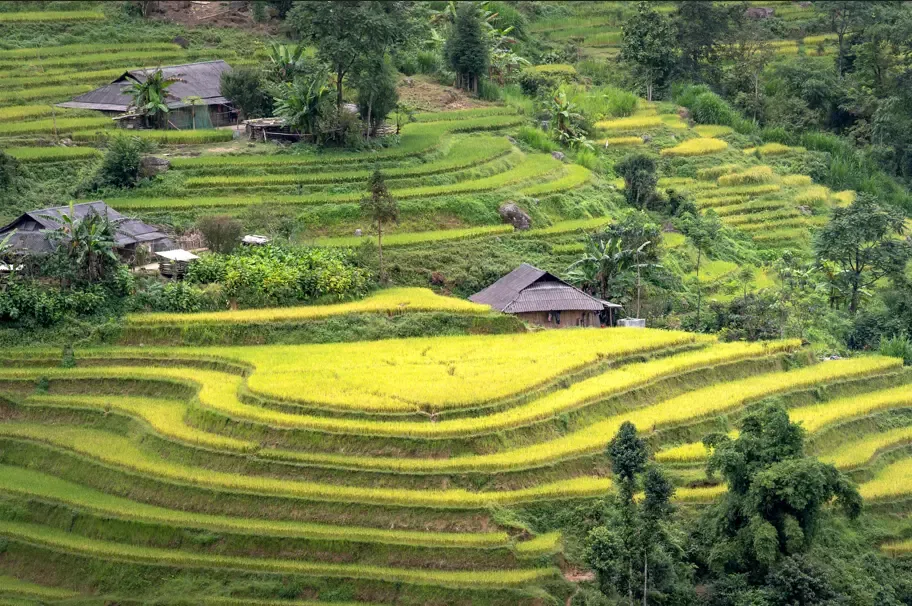
Nine checkpoints, but almost everyone travelling between Laos and Vietnam uses one of four. Which one you want is decided by where you start in Laos, not by where you are going in Vietnam.
Open 07:00–19:00, over the Keo Nua Pass. This is the corridor out of the capital, from Vientiane's Southern Terminal, and the same road serves four different Vietnamese destinations: Hanoi in about 24 hours, Vinh in about 14, Hue in about 22 and Da Nang in about 24. Vinh matters because it is less than half the journey and connects onward by Vietnamese rail.
The pass is the reason these times look long for the distance. It is a slow, winding climb on both sides, and it is the stretch most affected in the wet season. No Lao visa on arrival here, in either the register or in practice.
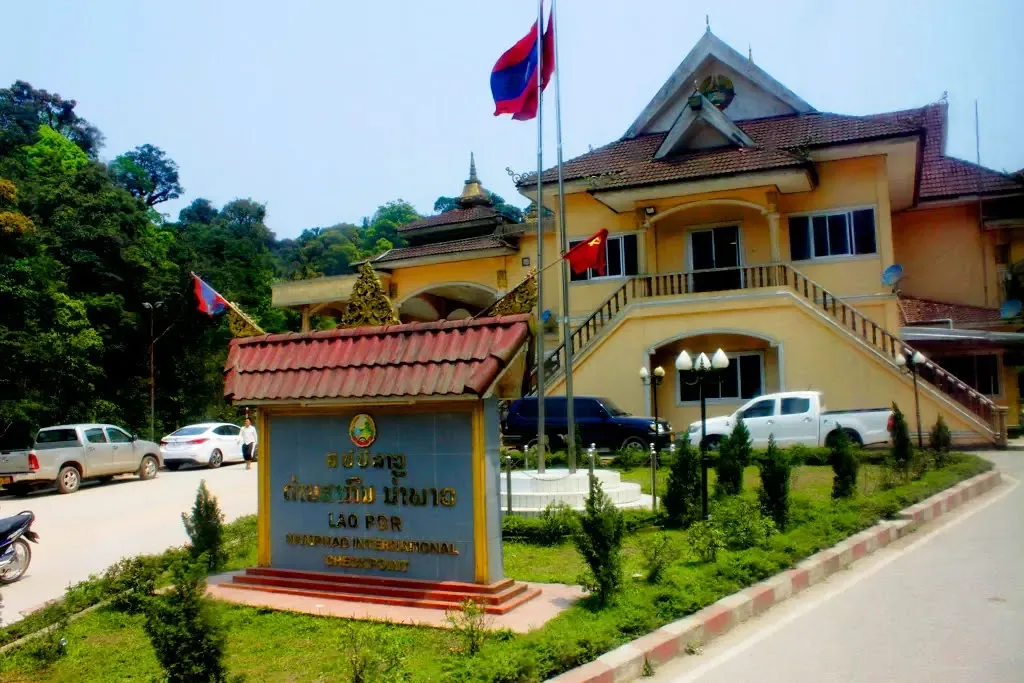
What the Vientiane–Hanoi sleeper is like. Quality varies a great deal, even between services sold under the same "VIP" or sleeper label: recent passengers report everything from curtained individual berths with a toilet to shared beds and no toilet at all. Many buses reach Nam Phao–Cầu Treo during the night and wait for immigration to open in the morning, and you may have to get off with your luggage and walk through both posts. Bring water, snacks and a power bank, and confirm your actual bus and departure bay when you reach the terminal: vehicle assignments can change.
Open 07:00–22:00, the longest hours of any Laos–Vietnam gate and the busiest crossing between the two countries. From Savannakhet: Hue in about 12 hours, Da Nang in about 15, Hanoi in about 24. Thakhek to Hue also runs this way, quoted at 10 hours to 10 hours 15, departing 23:30 or 06:00. Onward trains and buses from Hue are in this Hue transport guide.
It is also the only one of the nine that issues a Lao visa on arrival, which makes it the default for anyone heading west into Laos without a visa, even when it is not the most direct gate for their route.
One arrival quirk to plan for: some services heading for Savannakhet terminate at Seno, roughly 35 km east of the town, leaving you to arrange the last stretch yourself. Ask where the bus stops before you buy.
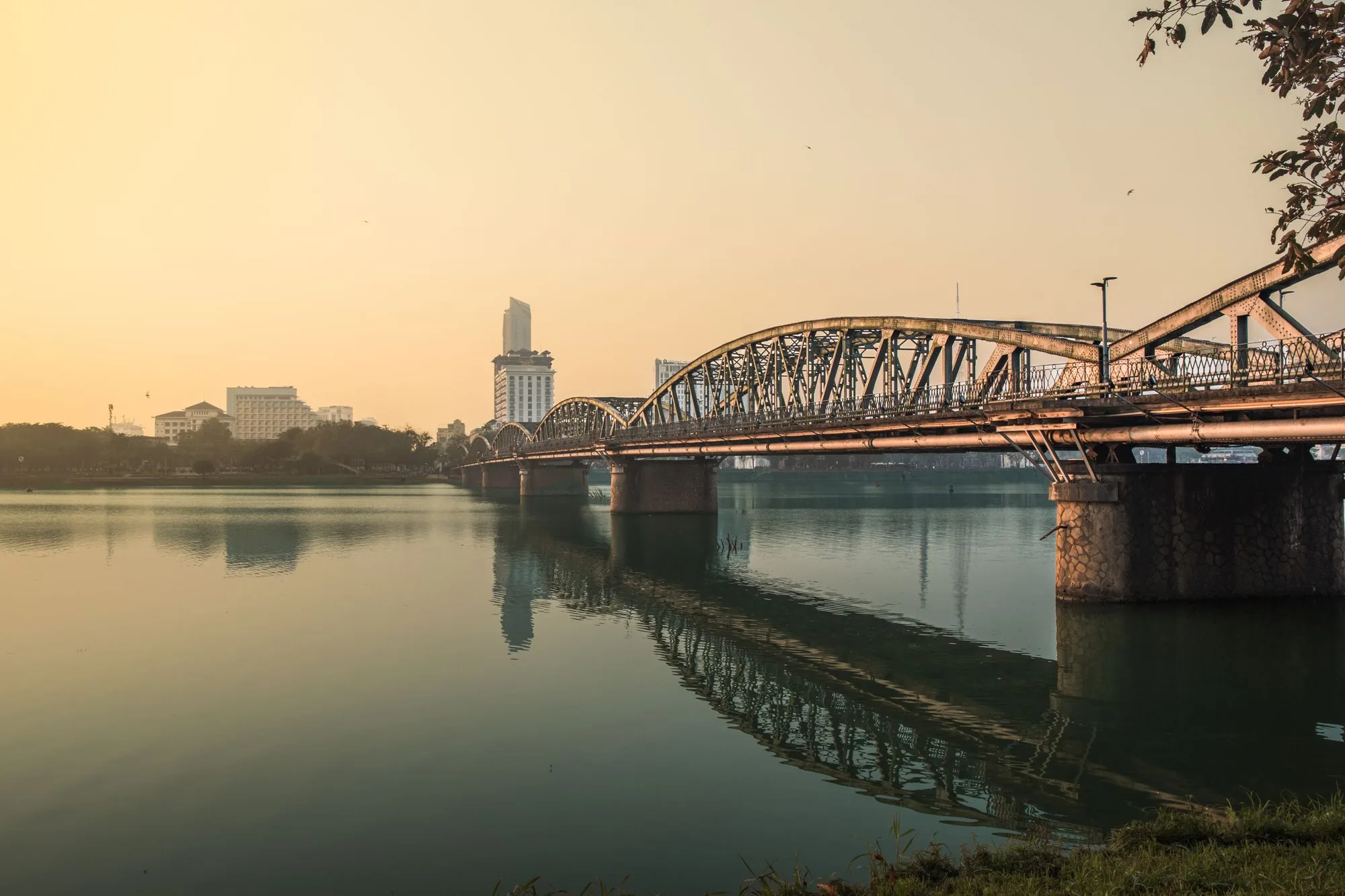
The direct minivans between Pakse and the coast cross here, heading east through Salavan. They also pick up passengers in Salavan town. They leave Pakse's Southern (Km 8) station around 04:00 to 04:30, some with pick-ups at guesthouses in town, and reach Hue in about 10 to 12 hours and Da Nang in 11 to 14. The other way, they leave Da Nang at 04:45 and Hue at about 07:00, and reach Pakse between 18:00 and 19:00. The border is open 07:00–19:00.
No Lao visa is issued here, neither on arrival nor as an eVisa. Heading into Laos, get yours first, at the Lao consulate in Da Nang for example, unless your passport is visa-exempt. If you were counting on a visa on arrival, take the longer road through Lao Bảo and Savannakhet instead. Heading into Vietnam, the Vietnamese e-visa is accepted.
Da Nang is the usual starting point on the coast; from Hoi An, about 30 km south, go to Da Nang first. Buses from Da Nang reach Savannakhet in about 15 hours through Lao Bảo and Dansavanh, the one crossing with Lao visa on arrival. The minivan to Pakse leaves at 04:45 and arrives between 18:00 and 19:00, through La Lay, where you need your Lao visa in advance.
The service to Vientiane takes about 24 hours through Nam Phao, where there is no visa on arrival, so arrange a Lao visa first if you take it.
The direct Luang Prabang to Hanoi sleeper runs through Phonsavan and crosses at Nam Kan – Nậm Cắn, open 07:00–19:00: about 24 to 25 hours in all. Train and bus combinations cross further north, at Pang Hok – Tây Trang for Dien Bien Phu. Neither gate issues a Lao visa on arrival. Nam Soy – Na Mèo, open 07:30–19:30, is the gate nearest Sam Neua, but we found no scheduled public transport across it in 2026: travellers report crossing by motorbike, shared taxi or hitchhiking. The full route: Luang Prabang to Hanoi.
Open 07:00–20:00 and much quieter than the other three. Thakhek to Da Nang runs about 16 hours and is bookable. The two journeys people want here, Thakhek to Vinh overnight and Thakhek to Phong Nha in about 8 hours, are not sold online at all and have to be arranged locally.
The far-southern gate at Phou Keua – Bờ Y, towards Kon Tum and Pleiku from Attapeu, is open, but nothing across it can be booked online. Allow about 8 hours and arrange transport on the ground.
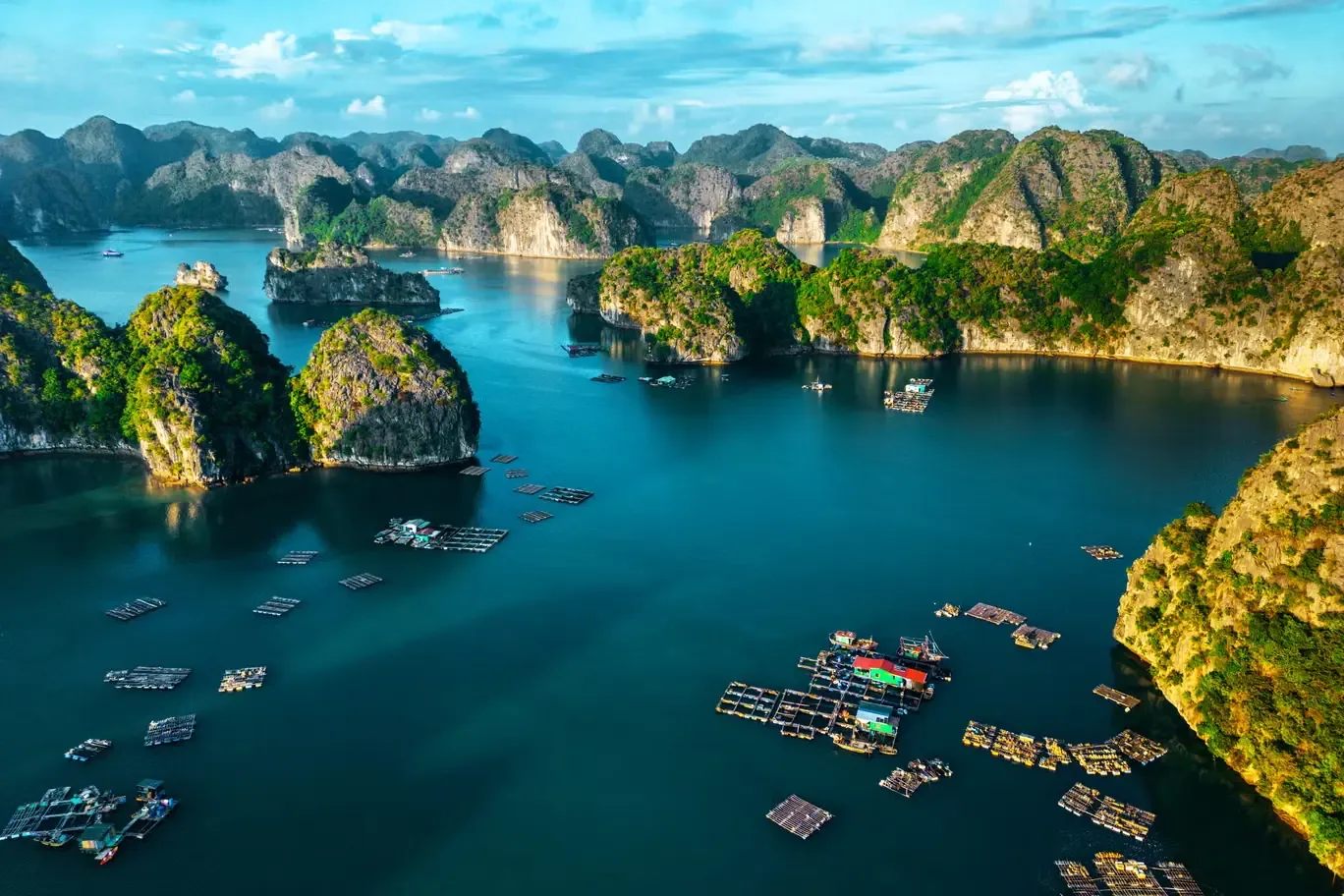
An overnight sleeper between the two capitals, the main road link on this border.
Not sold online at the moment: no bookable seats on any of seven dates checked between 30 September and 4 November 2026, in either direction. A daily sleeper still appears on the published timetable, leaving Vientiane at 06:00 and taking about 14 hours; ask at Vientiane's Southern Bus Terminal (Dong Dok).
Crosses into central Vietnam, with Hue's imperial citadel a short hop onward from the border.
The longest of the routes on this crossing, ending on Vietnam's central coast.
The busiest Laos–Vietnam gate, on the way to Hue's imperial citadel.
The same crossing as the Hue service, continuing further down the coast.
The longest option on this crossing, for the capital rather than the central coast.
Direct minivans leave Pakse around 04:00 and cross at La Lay via Salavan. No Lao visa is issued at La Lay, so coming the other way you need one in advance.
The same early minivans as Pakse to Hue, via La Lay, continuing to the coast.
A quieter crossing than the others on this border, close to the Phong Nha caves.
Runs through Phonsavan to the Nam Kan – Nậm Cắn border; coming the other way, that gate issues no Lao visa on arrival.
No bookable service on this pair. The crossing exists, but the bus does not run to a schedule you can reserve ahead. Buy in Thakhek a day or two before, or route via Vientiane.
The Na Phao–Cha Lo crossing is the direct line to Phong Nha, but there is no bookable service. Travellers generally go via Vientiane or Savannakhet instead.
Two direct services a day, run by HTX Van Tai 277 and Thakhek Travel.
The Phou Keua–Bờ Y crossing is open but carries almost no scheduled passenger transport. Local buses run irregularly; ask in Attapeu.
No through ticket you can book: nothing was bookable online for this pair on any of three dates checked in September and October 2026. The flights themselves do run, all connecting through Vientiane, on Lao Airlines, Lao Skyway, Lanexang Airways or Cambodia Angkor Air. Overland, no scheduled bus across the Na Mèo crossing could be found in October 2026; travellers report crossing by motorbike, shared taxi or hitchhiking.
Not sold online. A local bus runs between Muang Khua and Điện Biên Phủ through the Pang Hok–Tây Trang crossing; buy the ticket at the bus station, and expect to agree the fare with the driver if the counter is closed.

Laos Bus Tickets
Written and maintained from Vientiane. The people behind this site have lived in Laos for two decades and cross these borders themselves. Routes and visa rules get rechecked whenever something changes, not on a fixed schedule that lets stale information sit for months.